Connected Homes in Canada: How IoT Is Changing the Way People Live
From smart thermostats that adapt to Canadian winters to networked security cameras and voice-controlled lighting, connected home technology has become a practical consideration for homeowners across the country.

Recent Articles
Topics in Smart Home Technology
Practical coverage of connected home devices, wireless protocols, and IoT systems relevant to Canadian households.

Smart Thermostats in Canadian Homes: What to Consider Before Buying
An overview of how smart thermostats function, their compatibility with Canadian heating systems, and factors that affect their energy-saving potential.
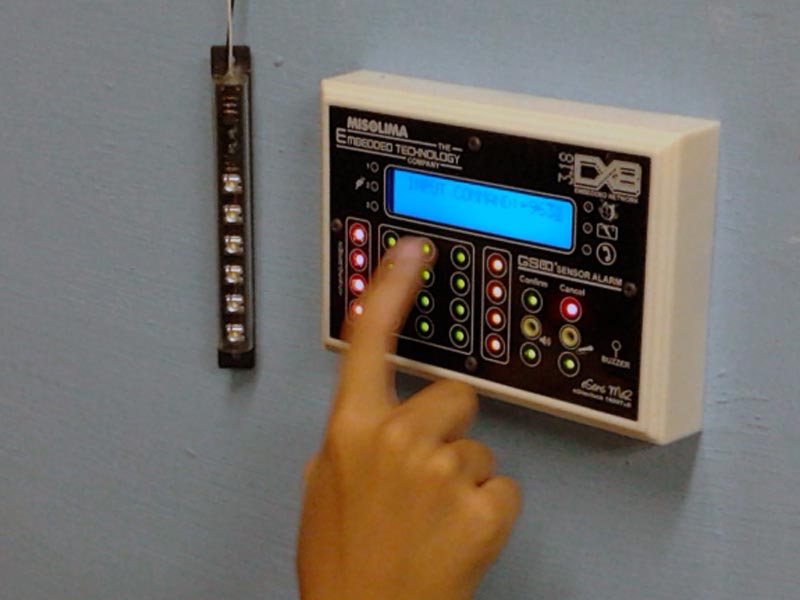
IoT Security Devices in Residential Settings: Cameras, Sensors, and Locks
A look at how connected security hardware is installed and managed in modern homes, including common device categories and local privacy considerations.

Zigbee, Z-Wave, and Matter: Wireless Protocols Powering Connected Homes
How the three dominant smart home communication standards compare in terms of range, compatibility, and practical use in residential installations.
Overview
The Canadian Smart Home Landscape
Canada's climate and housing stock present specific conditions for connected home technology. Older homes built before the 1990s often require retrofit-compatible devices, while newer construction increasingly incorporates smart wiring and centralized control systems from the outset.
Heating accounts for a significant share of household energy consumption in most Canadian provinces. This has made programmable and connected thermostats one of the most widely adopted categories of smart home hardware. Natural Resources Canada has documented residential energy use patterns that inform how automation systems are designed for northern climates.
Provincial utilities in Ontario, British Columbia, Alberta, and Quebec have each published guidance on smart home energy management, though the specifics vary by grid infrastructure and available rebate programmes.
Key Areas
What This Site Covers
Reference material on the main categories of smart home hardware and the standards that connect them.
Heating and Cooling Control
Connected thermostats, scheduling systems, and how HVAC automation interacts with common Canadian heating types including forced air, radiant, and electric baseboard.
Security and Monitoring
Networked cameras, video doorbells, smart locks, motion detectors, and how these devices store and transmit data under Canadian privacy law.
Lighting Automation
Smart bulbs, dimmers, and occupancy-based switching. Coverage of major platforms and how they integrate with voice assistants and mobile controls.
Wireless Protocols
Zigbee, Z-Wave, Matter, Wi-Fi, and Bluetooth. How each protocol handles device pairing, mesh networking, and interoperability between manufacturers.
Home Hubs and Platforms
Central controllers that aggregate devices from different ecosystems. Comparison of local-processing hubs versus cloud-dependent platforms and the trade-offs each involves.
Energy Monitoring
Smart plugs, whole-home energy monitors, and how real-time consumption data can inform decisions about appliance use and utility billing.